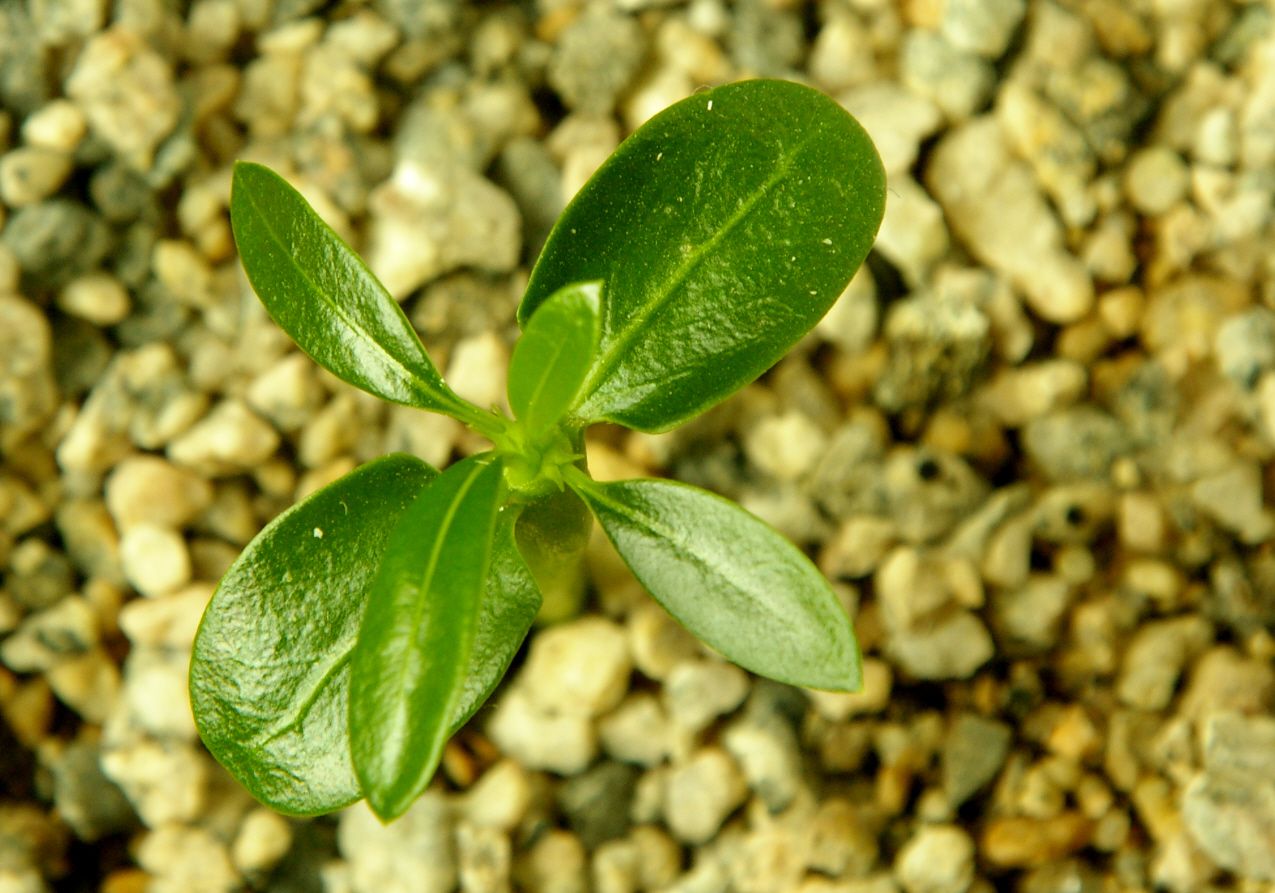
About six leaves open radially among small stones. The opening image shows a Pachypodium lamerei approximately four weeks after germination. It has neither trunk volume nor branch structure yet; the first spines are only beginning to appear at the leaf center. It is not an exhibition plant, but directly conveys the starting point that FROM SEED TO LANDSCAPE seeks to see. Every finished form begins with this scale.
Place the Method of Growing Beside the Finished Plant
According to organizer COSMICO PLANTS, seven growers each bring at least one tray of seed-grown plants. More than sale plants will be present: parent specimens, plants shaped over years, and unusually formed specimens will be displayed, while planters by KONNECT will be sold. The organizer invites visitors to enjoy questions and conversation with exhibitors while viewing the displays.
Plant events easily direct the eye first to price and size. With parent and young plants in one place, that order can change. Which form is being preserved? How far are roots allowed to move in the pot? Are branches multiplied quickly, or is trunk density given time? This article cannot prescribe one cultivation method, but neighboring plants from different growers show that form is not chance alone.
Seed Growing Turns One Name into a Unique Plant
Seed-grown means raising a plant from seed rather than cuttings or division. Pachypodium is a genus in the dogbane family; Kew’s Plants of the World Online recognizes 23 species native to southern Africa and Madagascar. Thick succulent trunks and stems, spines at nodes, and leaves gathered at branch ends make the genus recognizable from afar.
Shared genus traits do not make every pot look alike. Event guidance asks visitors not to buy up rare plants or original hybrids. This is not to inflate scarcity, but to let more people encounter growers’ choices. Before rushing to choose a seedling as a possession, ask about its parents and elapsed time. Such behavior brings a sale closer to a small public archive.
Look in the Order of Seedling, Parent, and Vessel
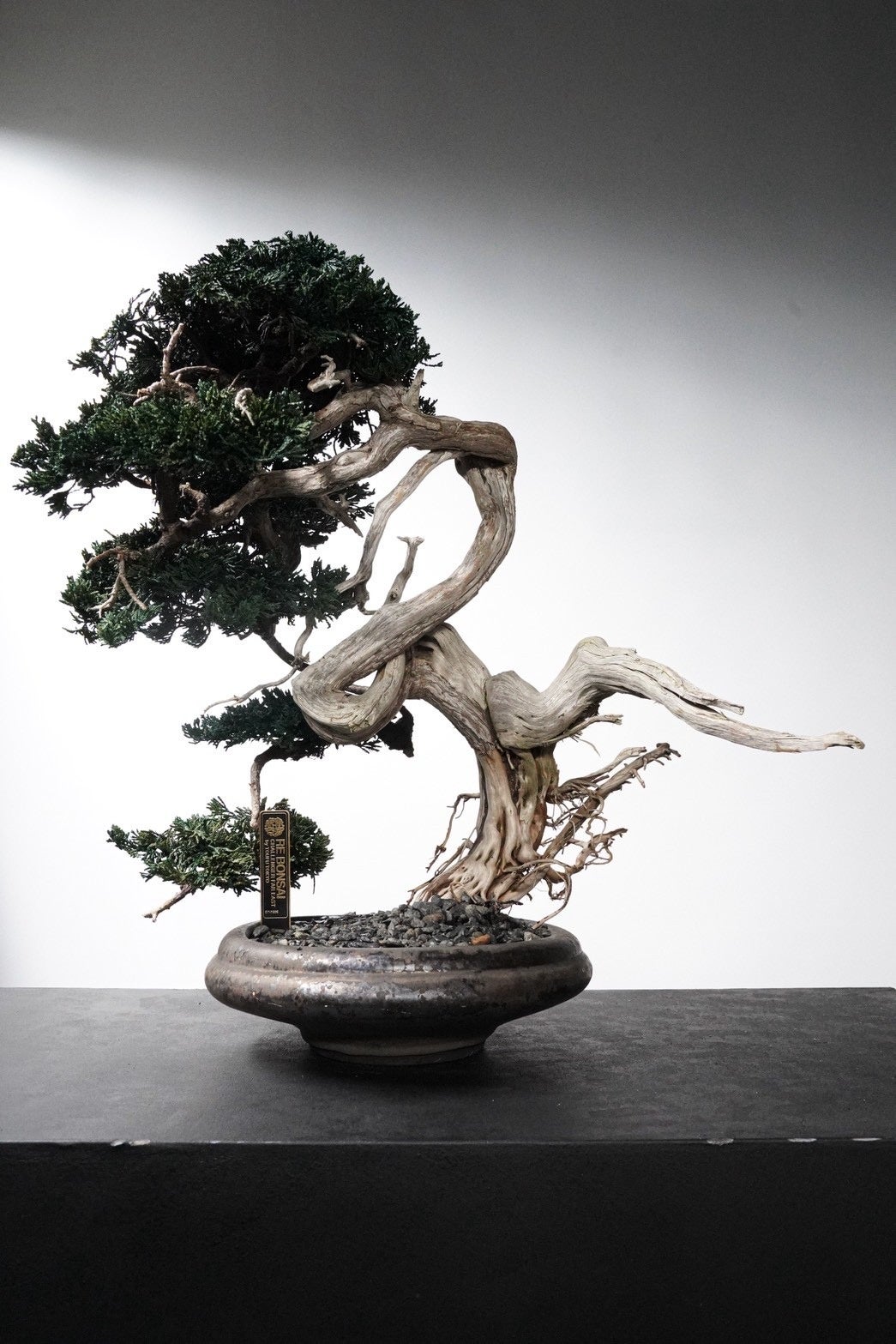
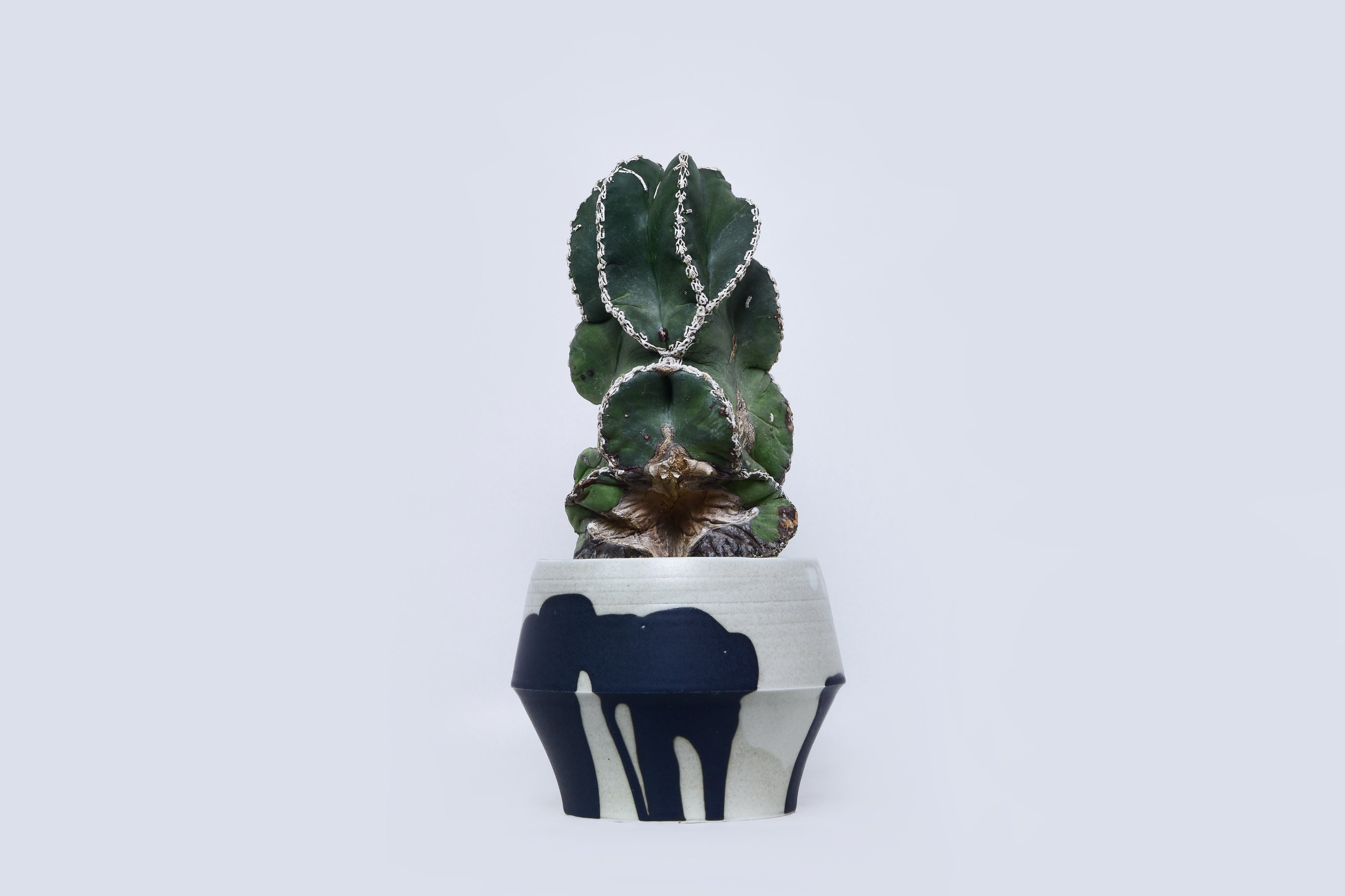
Begin with display plants rather than sale trays. Look beyond trunk thickness to the length from soil line to first branch, spacing of spines, concentration of leaves, and balance between pot and plant. Return afterward to young seedlings and imagine forms not yet present. Look at vessels last. Changes in opening, depth, and surface color alter how the same plant’s outline is read. Include particle size and surface level of the medium, and the line rising from pot to plant also reveals the grower’s judgment. Plant and pot can be chosen as one composition rather than separate products.
If purchasing, ask the exhibitor about species or cross, sowing date, current medium, recent watering, and history indoors or out rather than choosing by name alone. Pachypodium have spines and latex. Selection must include wrapping for transport, people or animals who may touch it at home, and placement. The event’s greatest value is not seedling quantity, but a specific history from someone who has watched the plant.
Meet a Form in Progress in Asakusa Today
FROM SEED TO LANDSCAPE is held August 16 from 11:00 a.m. to 6:00 p.m. at Kato Engei Tokyo, Asakusa 6-chome, Taito-ku, Tokyo. Admission is free and first-come, first-served. An August 13 update limits simultaneous entry to 30 people and says numbered tickets will be issued if a line forms before opening. The store accepts cashless payment only. Even arriving after noon, check current crowding through official organizer and venue notices.
Because it happens only today, spend time less on how many plants can be bought than on how seven people have seen the same genus differently. Move repeatedly among similar seedlings and put differences into words. That alone shifts selection from price to observation. A plant’s form has never been complete since sowing. A RareDex image need not mark only completion. Small new leaves and a still-fragile trunk are landscapes that cannot be revisited years later.