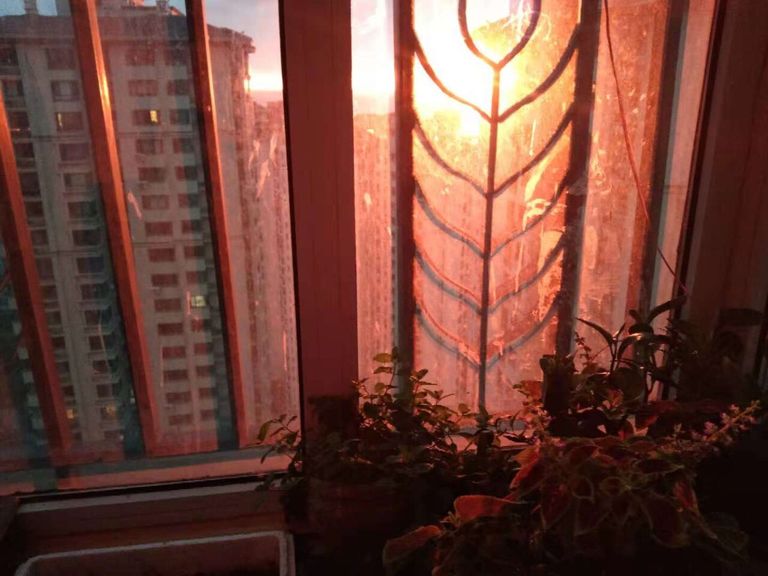
In the opening photograph, pots of different heights and leaf shapes line a large window between black curtains. The light looks ample, but during an absence the familiar window can become the hottest place in the room. After windows close and air conditioning stops, light and temperature keep changing. Look not at the number of pots, but at the light and water each needs.
On July 27, the Japan Meteorological Agency indicated a possibility of unusually high temperatures in the Kinki region from around August 2. Outlooks differ by region and update daily. Check the two-week forecast for home as well as the destination to imagine heat beside closed windows.
Sort Pots into Three Groups before Counting Days
Separate small pots and thin-leaved plants that dry quickly, plants whose water should be checked at their usual intervals, and drought-tolerant cacti and succulents. Drying differs with plant and root size, medium, pot material, sunlight, and airflow. Compare pot weight and soil moisture with normal conditions instead of giving every pot the same amount for a three-day trip.
For a short absence, thoroughly water only pots that need it just before departure and let water drain from the bottom. Do not leave water standing in cachepots or saucers. Adding precautionary water to already moist medium can deprive roots of air while trying to prevent dryness.
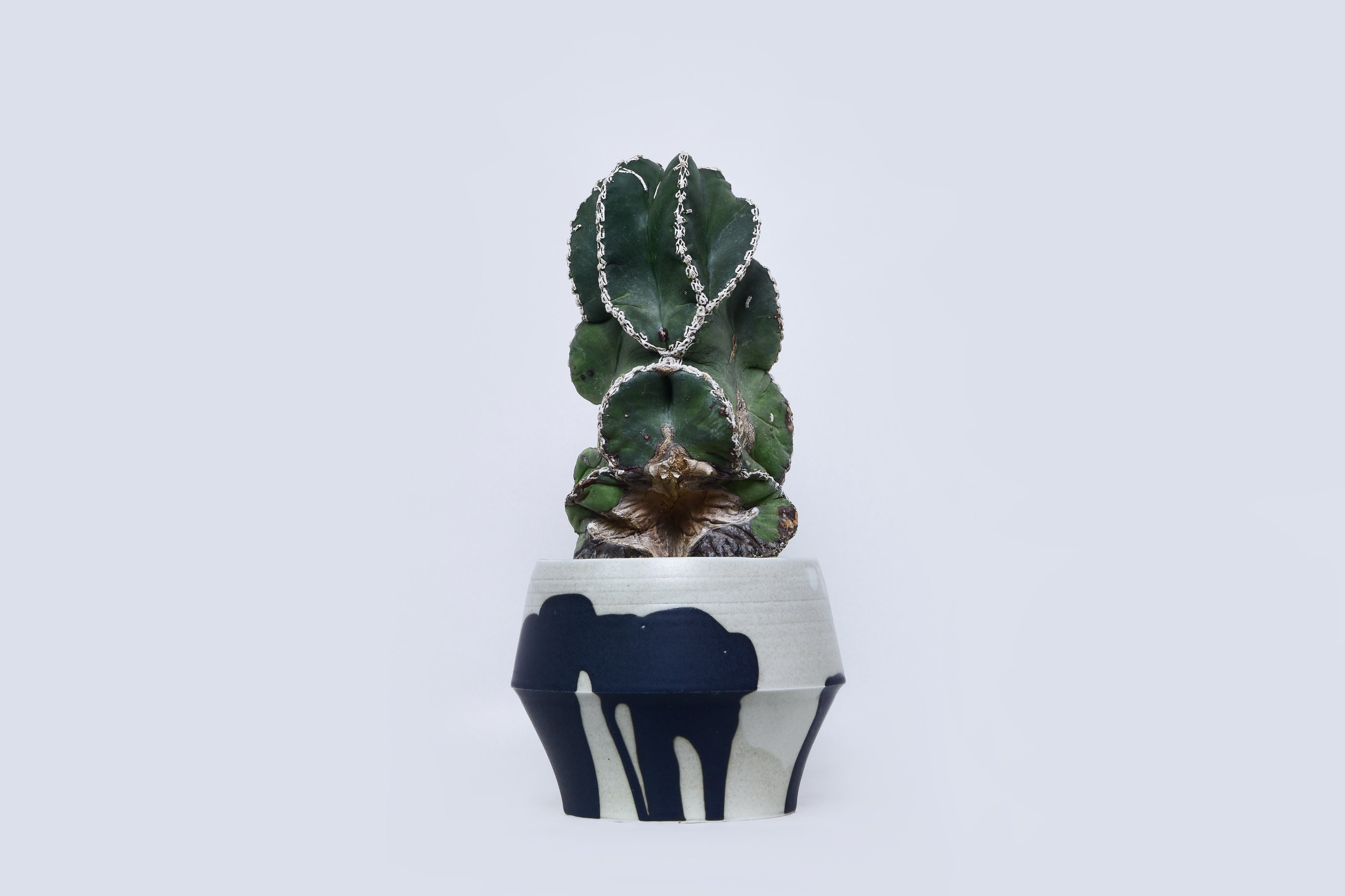
Many cacti and succulents store water in fleshy leaves or stems. The Royal Horticultural Society also treats them separately from other houseplants in summer-absence guidance. Consider growth stage, species, and medium dryness, but do not put them on the same watering device as moisture-loving plants.
Keep Brightness, Step Back from Window Heat
Do not hide pots in a dark room. Move them to a bright place cooler than usual and away from strong direct light: back from south- or west-facing glass and into filtered light behind a sheer curtain. Leave airflow between leaves and avoid crowding pots in a room without air conditioning.
Reduced light may slow water loss, but a sudden move to very different conditions can itself stress a plant. Test the proposed place several days before departure and watch soil drying and leaves. A small change in furniture and pot arrangement can shorten afternoon exposure.
Test Any Watering System before the Trip
For an absence around a week, do not install wicks or capillary mats for the first time on departure day. Test for several days whether the reservoir empties too quickly, the wick slips out, or soil remains continuously wet, using the same location and container planned for travel. The RHS suggests wicks for large pots and capillary mats for groups of small pots while warning about both dryness and saturation from misjudged demand.
Avoid repotting into a self-watering container solely for an imminent absence, because root disturbance and a new moisture environment occur together. Continue a familiar system or use a simple method with time for testing. For transparent bags, the RHS limits the method to short absences and says to support the bag away from leaves. It is not a universal method.
For a Long Absence, Rely on a Person Rather than a Device
For more than a week or many fast-drying small pots, ask a trusted person to check partway through. Instead of complex schedules, leave short cues: “Water this pot when it feels light and the reachable soil is dry,” or “Do not add water to the succulents this time.” Ask them to empty saucers after watering.
Beforehand, remove dead leaves and damaged flowers and isolate pots with suspected pests. Wait until return for fertilizer, repotting, and hard pruning. Group only pots that simplify the helper’s decisions, leaving dry-loving plants slightly apart.
On return, do not water every pot because one leaf wilted. Check weight, soil, saucer, and leaf firmness individually and begin with plants that need help. Preparation cannot freeze plants in perfect condition; it reorganizes how light and water will move during days away. That planning is part of summer life with plants.