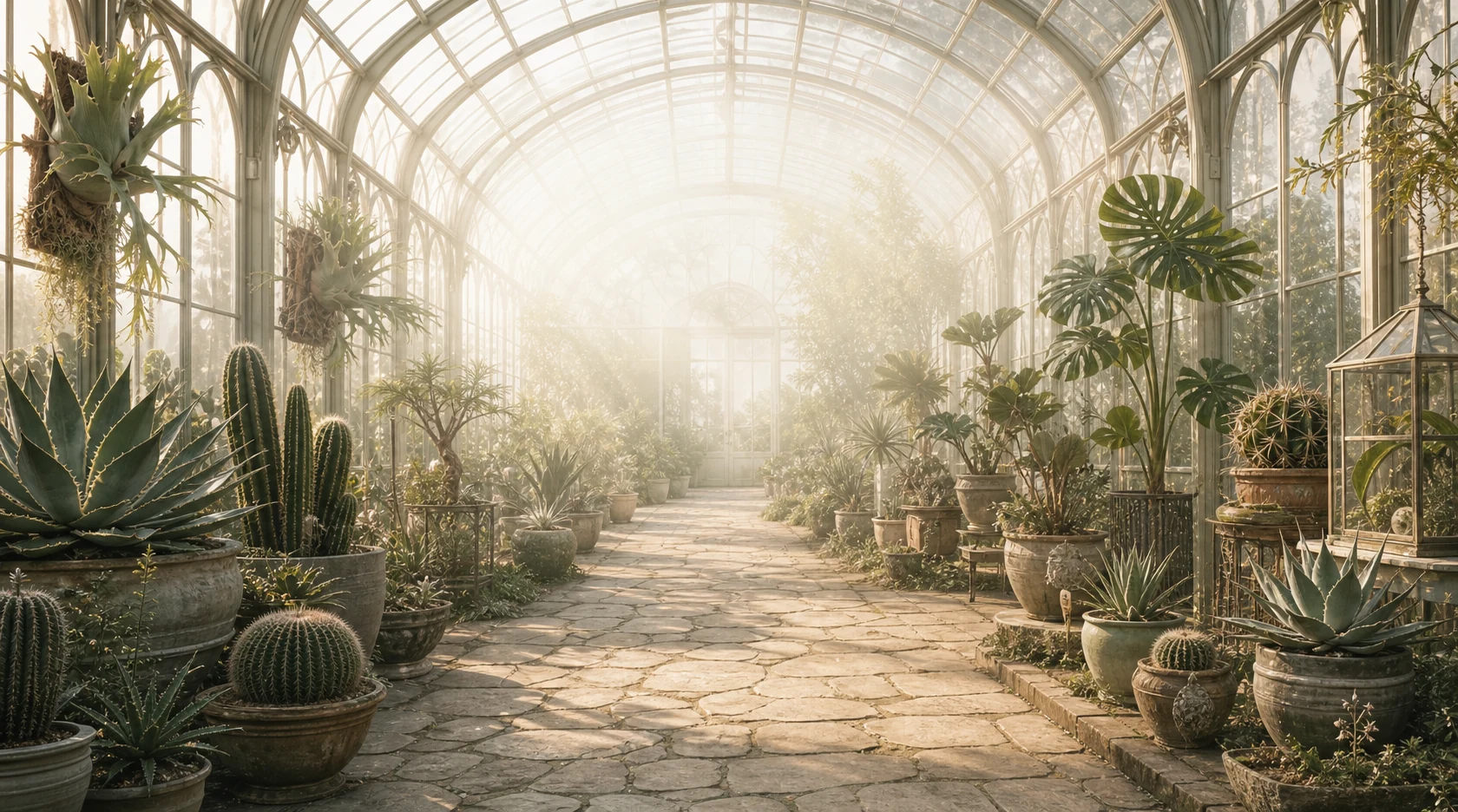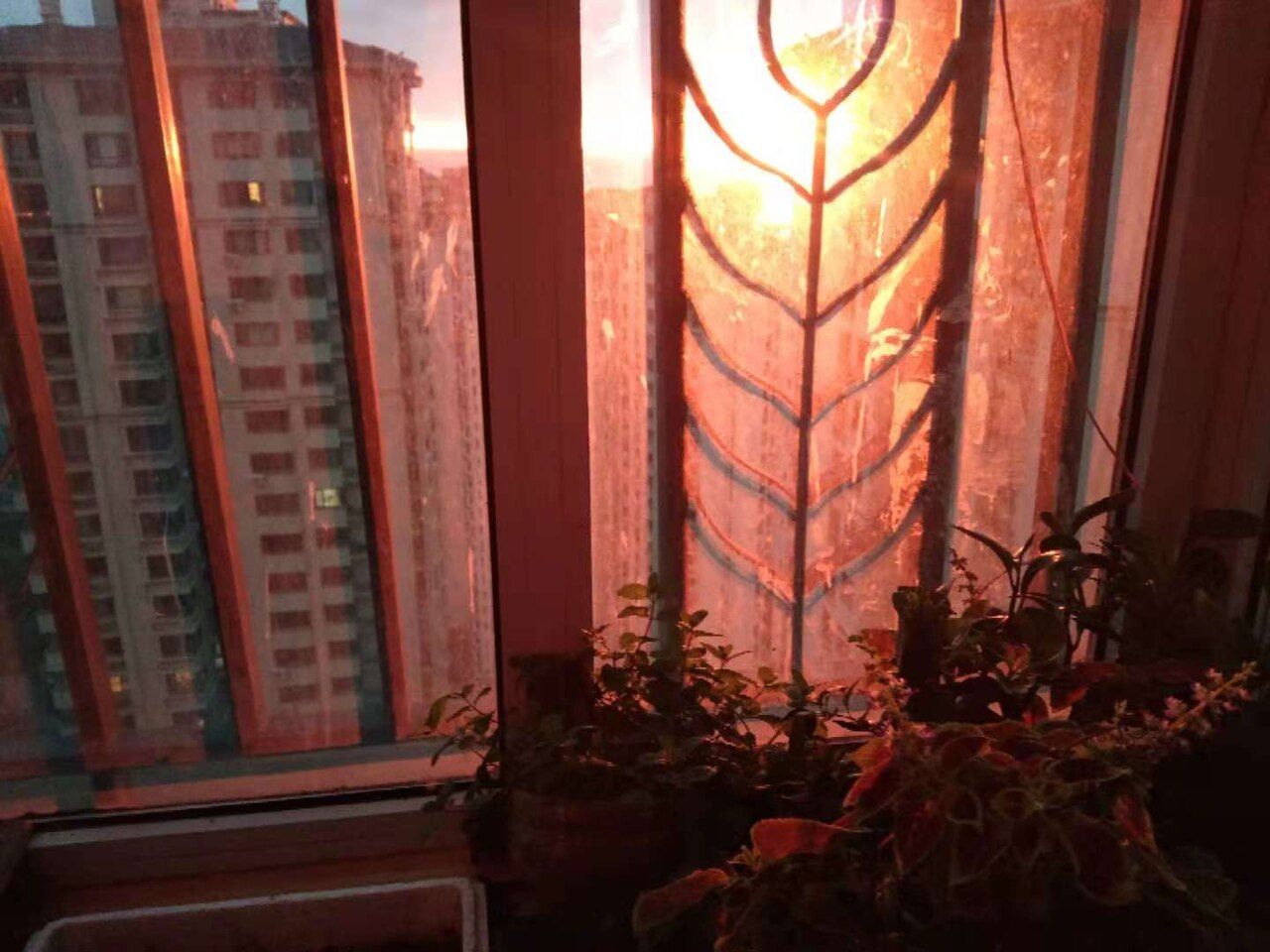
In the opening photograph, pots of different sizes line a balcony against dawn. Leaf outlines remain dark as city buildings begin receiving pale-pink light. Midsummer pots are better read for placement and moisture at this brightness than in a rush after sunlight grows strong.
A Heatstroke Alert is information for protecting people, not a signal for plant care. Japan’s Ministry of the Environment urges people in affected regions to stay cool. Limit pot work to brief checks during a cooler morning; do not endure heat for plants.
Lift the Pot before Adding Water
Begin with the pot, not the clock. If movable, check its weight and moisture below the surface within finger reach. Wilt alone may not distinguish dryness from saturation. Species, plant and root size, light, temperature, humidity, pot material, medium, and drainage all change drying rate, so do not decide only from a calendar such as “once every morning.”
When dry and needing water, pour slowly onto soil at the base rather than scattering over leaves. Confirm excess drains and empty saucers. Small and unglazed pots tend to dry faster. Do not wet all cacti and succulents daily; prioritize each plant’s growing season and medium dryness.
Hanging baskets and small pots have less root range than in-ground plants and may need more frequent checks on hot, dry days. Instead of deciding frequency first, compare weight and soil once in the morning and again in the evening. Remembering the morning state creates a baseline.
Moving a Pot a Few Inches Changes the Afternoon
During intense heat, move pots away from afternoon direct sun rather than toward brighter exposure. A shift of a few inches from reflected wall and floor heat into bright shade or beneath eaves can help. Do not enclose pots; leave air between leaves and drainage below. Before plant placement, keep pots from becoming footholds by railings and do not block evacuation routes.
Houseplants moved outdoors only for summer require gradual acclimation to stronger light and temperature change. A bright indoor window is not outdoor direct sun. Begin soft-leaved foliage plants in sheltered bright shade. Even cacti moved suddenly from indoors can burn, so increase light step by step.
Window pots are no exception. Southwest-facing glass can heat quickly, raising pot, medium, and root temperature. Step back into light through a curtain, soften afternoon sun with sheer fabric, and avoid direct air-conditioning drafts. Small changes to lines of light and air can suffice without moving major furniture.
Postpone Repotting and Fertilizer until a Cooler Day
A heat-stressed plant may tempt a soil change, hard pruning, or fertilizer. During extreme heat, do not add those burdens. First correct placement and moisture and wait for heat to pass. If root rot or pests seem urgent, seek species- and symptom-specific expert advice.
Do not assign one cause from a damaged tip or discolored leaf. Was light too strong, water insufficient, or soil wet too long? Record prior placement, pot weight, saucer, and both sides of leaves. If making one photograph, include pot, window, and floor as well as leaf.
Read Overnight Recovery the Next Morning
If heat lingers in the evening, do not force another inspection. Once cooler, compare pot weight, soil color, and leaf firmness with morning. If it can wait, make the change through the next morning an overnight record.
Midsummer care is not the work of preserving perfect green. Lift a pot, step it back from sun, and decide not to touch today. Such decisions update the relationship between plant and room with the season. A hot day is recorded less by watering count than by placement, observation, and what was postponed.