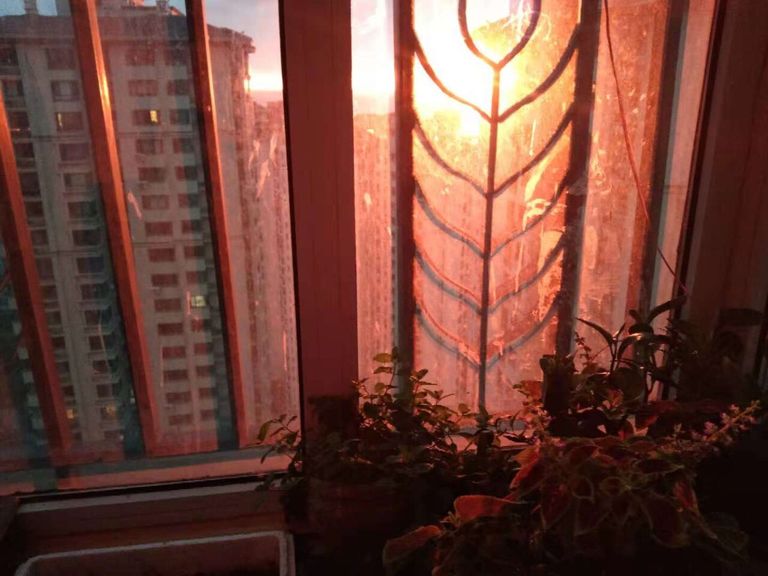
A white vase and small purple flowers stand beside an open window. Morning light may look gentle, but the temperature near glass changes as the sun rises. The Japan Meteorological Agency forecasts unusually high temperatures in the Kinki region from around August 2. Check the forecast for your area and reconsider the vase’s place alongside your own heat precautions.
Receive Morning Light, Avoid Midday Heat
Cut flowers continue to respire and lose water after their stems are cut. University of Illinois Extension explains that lower temperatures slow their metabolism and can extend vase life. The Royal Horticultural Society and Iowa State University Extension also recommend a cool place away from direct sun and heat sources.
A “cool place” does not mean direct air-conditioning on the flowers. Avoid sustained strong airflow, warm appliances, and windows receiving afternoon sun, and find a place with smaller temperature changes. The vase might visit the window in the morning, then move inward before sunlight intensifies. In midsummer, choose its place anew according to the day’s light and room temperature.
Wash the Vessel Before Replacing the Flowers
A new bouquet may tempt you to trim the stems first, but begin inside the vessel. University of Illinois Extension advises washing a previously used vase with warm soapy water to reduce remaining bacteria and fungi. Dirt can stay along the bottom and shoulders of a narrow-necked vessel even when it looks clear. Choose one with cleaning—and whether a bottle brush can reach—in mind.
Remove leaves that would sit below the waterline, where deterioration can cloud the water. University of Florida IFAS Extension advises against unnecessarily stripping healthy leaves above the surface. Transpiration through leaves helps draw water through the stem. Distinguish submerged or damaged leaves rather than baring everything.
Use florist-provided flower food at the labeled concentration. Commercial products combine sugar with ingredients that keep water clean and adjust acidity. Iowa State University Extension favors flower food, or clean water with nothing added, over improvised mixtures of sugar, coins, bleach, or soda.
Watch Cloudiness and Stem Changes, Not Only Water Level
A fixed water-change schedule can miss midsummer changes. Each morning check water level, then clarity and odor, slime inside the vase, and cut stem ends. If only the level has fallen, top it up. If cloudy or odorous, remove the flowers, wash the vessel, and replace with clean water. Continue to follow product directions when using flower food.
If a stem end is discolored or slimy, or a drooping flower appears unable to take up water, refresh the cut with a clean, sharp blade. A crushed surface impedes uptake. Milky-sapped stems, hollow stems, woody branches, and bulb flowers require species-specific handling; ask the florist about unidentified or specially treated bouquets.
Remove spent blooms and damaged areas without disturbing the rest. One flower finishing first need not end the bouquet. Shorten remaining stems for a smaller vessel or separate vigorous branches. The passage from a large bouquet to a few stems can itself be time spent finding a form for the room.
Leave Space between the Fruit Bowl and the Vase
Fruit and flowers may pair beautifully on a kitchen table, but ethylene from ripening fruit can accelerate aging in some flowers. University of Florida IFAS Extension advises keeping cut flowers away from fruit bowls. Separating the vase from bananas or apples is a step available today.
Keeping summer flowers longer does not require starting over each morning. Touch the vase, look at the water, and check sunlight and airflow. Wash, trim, or move only when needed. Flower firmness, water clarity, and stem color guide that day’s care—a way of living with cut flowers distinct from keeping plants in pots.