When a dry pod opens, pale floss spills from around the seeds. NEO DOWN KAPOK® BEYOND, a loft insulation made with 100 percent kapok fibre, will be announced on 6 October. At the public viewing in Minami-Aoyama, visitors can trace the plant fibre toward winter clothing through the new material and its signature jacket.
Short fibres formed inside a pod
Kapok fibre develops inside the fruit around the seeds. The official photograph shows brown pods and seeds surrounded by white floss. It is neither a stem fibre cut from a field nor a fleece shorn from an animal. Before it enters a garment, it already exists as an airy mass within the fruit.
Several plants are called kapok, and one representative species is Ceiba pentandra in the mallow family. Plants of the World Online at the Royal Botanic Gardens, Kew accepts that name and gives the tree a native range from Mexico to tropical America. When examining a material, ask for the species and sourcing region rather than relying on the common name alone.
The BOKEN Quality Evaluation Institute describes kapok as a light, short fibre with a hollow interior. Because it is difficult to spin by itself, it has long been used as filling for items such as life jackets and bedding. Its history lies less in forming a woven surface than in holding air inside an object.
What the 100 percent claim describes
According to KAPOK JAPAN, NEO DOWN KAPOK BEYOND is an apparel loft insulation composed entirely of kapok fibre and processed to provide loft comparable to feathers. The company's phrase “plant-based down” describes the concept; the material contains no feather down.
The “world first” wording is the company's claim for apparel loft insulation made from 100 percent kapok fibre with feather-like loft, based on expert research as of March 2026 and company measurements. It should not be mistaken for a general certification by an independent standard. Measurement methods and comparison conditions are useful questions for the event.
The new insulation and a signature jacket using it are scheduled to make their debut during the public viewing. If raw floss, processed batting and the finished garment can be compared, look at how the fibres separate, how the thickness recovers and how large each quilted section is. Growers may find the distance from an airy pod filling to a structured garment especially revealing.
Public viewing in Minami-Aoyama on 6–7 October
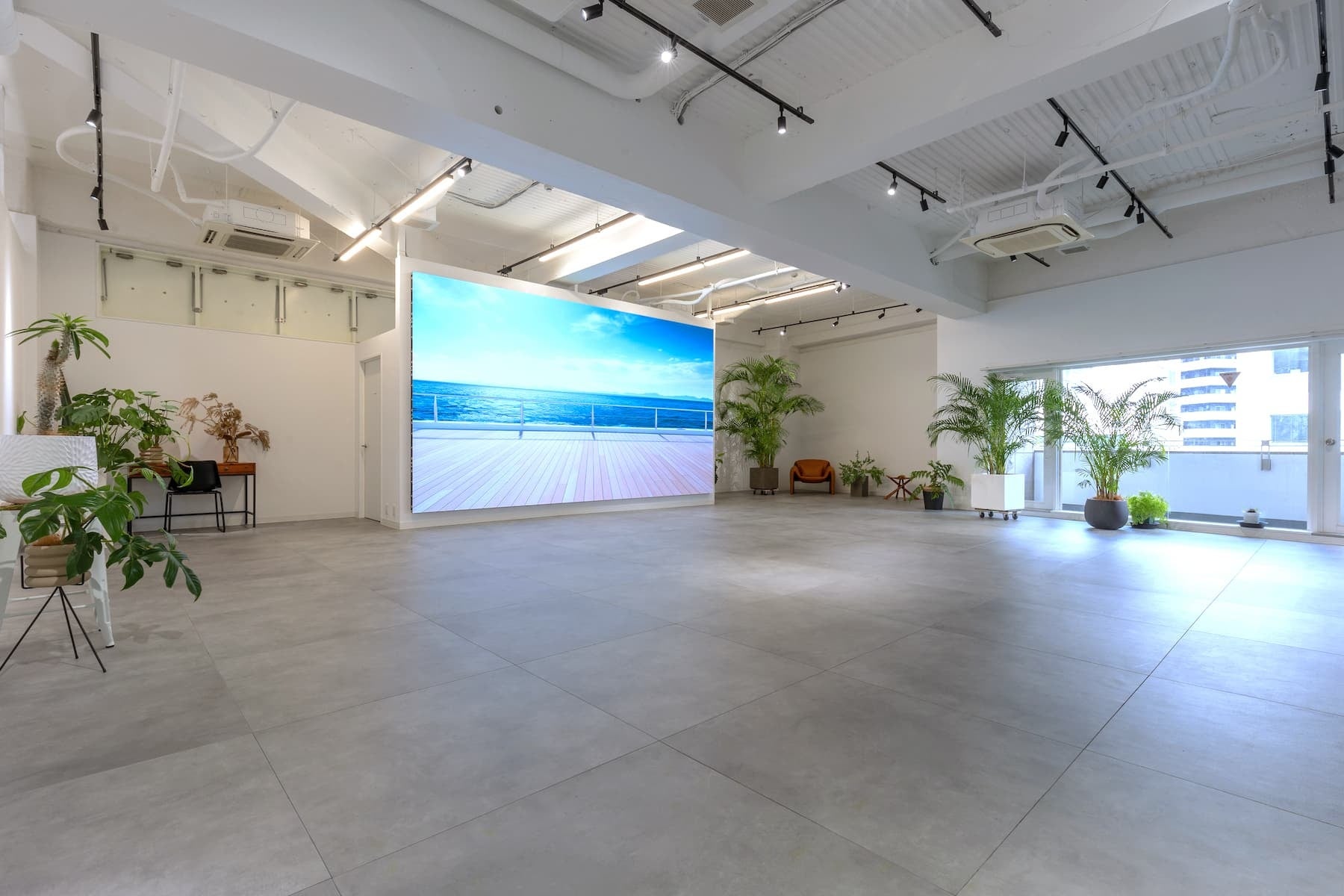
The venue is THE BATON 4F, 3-1-5 Minami-Aoyama, Minato, Tokyo. Public hours on 6 October are 16:00–19:00, with last admission at 18:30. On 7 October the public viewing runs 13:00–18:00, with last admission at 17:30.
Advance registration is requested by 18:00 on 5 October. The press presentation from 13:30 to 14:30 on 6 October is restricted to media, so it should not be confused with the later public hours. The venue is listed as five minutes on foot from Gaiemmae Station and ten minutes from Omotesando Station.
Separate three stages when looking at the material: fibre attached to pod and seed, batting opened by processing, and insulation held inside the jacket's seams. Even when each appears as a white mass, the plant-grown structure, manufactured loft and garment-maintained thickness are different functions.
After touch, ask about care
If touching is permitted, do not judge performance only by how quickly the material rises after compression. Check the care label, drying after wetting, whether long storage under compression is suitable and whether displaced insulation can be redistributed. A plant-derived origin and a garment's usable life need separate examination.
The announcement confirms the debut of the material and signature jacket, but it does not give a public retail price, release date, stock or delivery terms for the jacket. Do not assume the event is a sales session. If purchase becomes possible, wait for the seller and terms to be formally stated.
From tree fruit to the inside of a winter coat
For someone who knows kapok as a houseplant name, holding its fibre changes the view of the tree. Airy floss revealed by an opened fruit is processed, stitched in place and used to build thickness around the body. These two days in Minami-Aoyama offer a chance to connect pod, fibre, insulation and garment instead of stopping at a “plant-based” label.