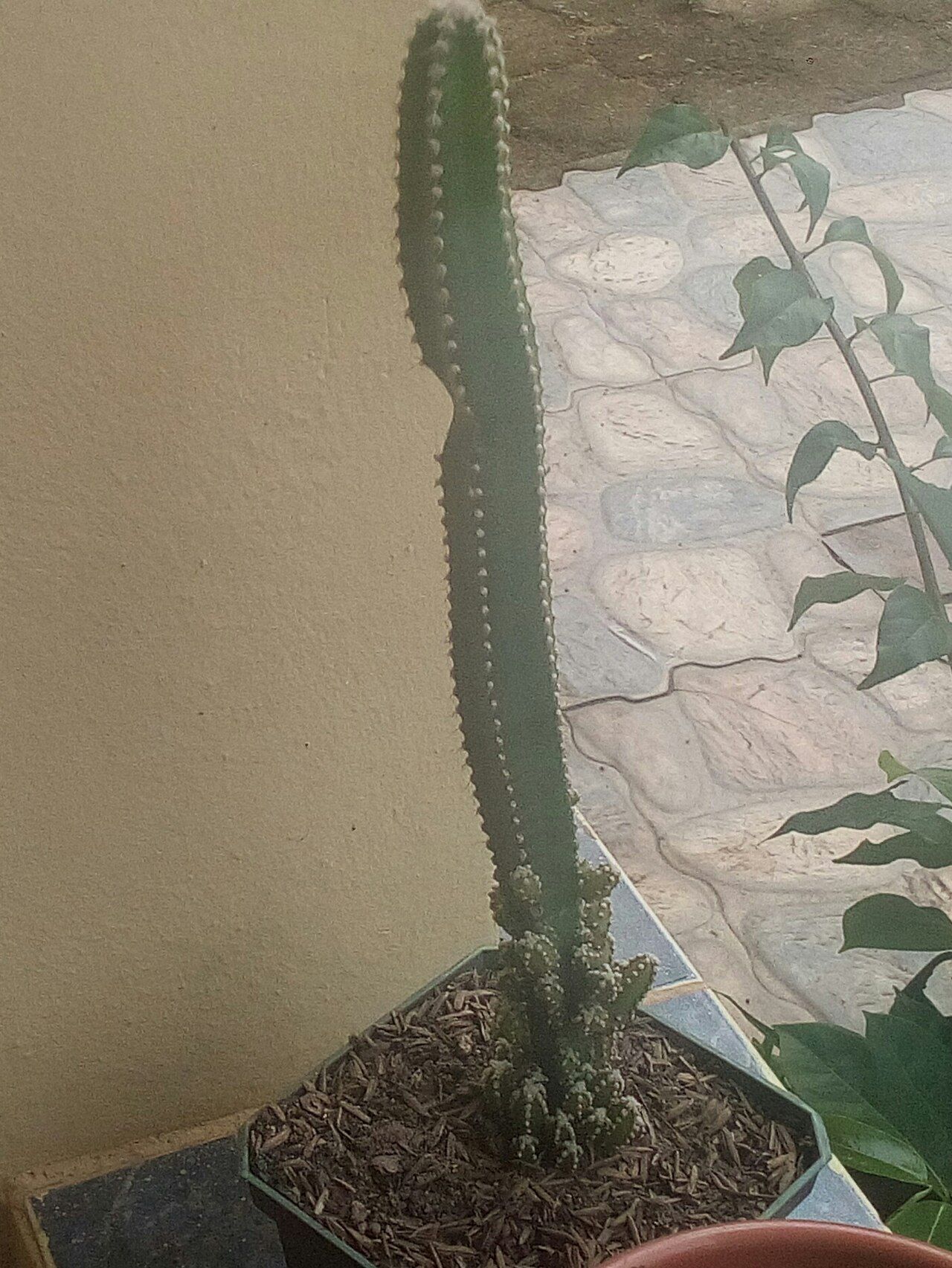
After comparing the spines of a small cactus, you may hear strings somewhere along the street. In Kiryu on 27 September, five venues offer a walk through plant form and the knowledge of growers.
Plants divided among five venues
PLANTS SHOW 2026 Autumn takes place on the pedestrianised section of Honcho-dori and at Purveyors, st company, Fufufu and PLUS + Anchor. The organiser says more than sixty specialist shops, growers and enthusiasts will travel to Kiryu, mainly from across Gunma and elsewhere in Japan.
Cacti, houseplants, terrariums and dried flowers are among the announced categories. Workshops join the sales tables, and each shop approaches plants differently. Rather than choosing the first pot, compare leaves, spines, stems and the relationship between plant and container from venue to venue.
Begin with form and the place it must live
For a cactus, look at the spacing of the spines, the colour of the growing point and any damage around the base. For a houseplant, check how light passes through the leaves, how closely the nodes sit and whether the roots have outgrown the pot. Ask whether it suits the light and airflow at your own window.
With a terrarium, ask about the lid, ventilation and the signs that water is needed. Dried flowers keep a different kind of time from living plants. A question about fading colour and protection from humidity helps you imagine how the arrangement will look after it comes home.
Strings enter the rows of plants
On the pedestrianised street, Hajime Takahashi will give solo performances at intervals between 10 a.m. and 3 p.m. The programme and exact times have not been fixed. Sound may draw closer while you study a plant, then recede as you move to the next venue.
The plants and the music need not be treated as separate attractions. Sound can reveal the length of the street and the places where people pause. After looking at fine spines, reflected light on a leaf or moisture behind glass, the remaining tone of a string can make the walk itself feel like one continuous display.
Ask a grower only three questions
When a plant holds your attention, ask about its present conditions, the sign that tells you to water next and the change to avoid before winter. With cacti and houseplants alike, reading the weight of a pot, the dryness of the mix and the firmness of leaves or stems is more useful than watering by the calendar alone.
Species, stock and prices may change before the day. If you are looking for a particular plant, check the exhibitor’s latest notice, then ask why two plants with the same name look different. Differences in the answers can help you choose how to grow the plant, not only which specimen to buy.
Stagger the five-venue walk
Honcho-dori runs from 10 a.m. to 3 p.m.; Purveyors from 11 a.m. to 4 p.m. st company and Fufufu begin at 11 a.m., while PLUS + Anchor starts at 10 a.m. Opening times differ, and the MAYU bus will not operate this year. Planning a walking order and a place to rest leaves more time for each plant.
The cactus shown here is a reference photograph for looking at plant form. It was not photographed at the event and does not show a specimen promised for sale. On 27 September, the useful task is not to find an identical plant, but to ask what light, air and water the pot in front of you actually needs.