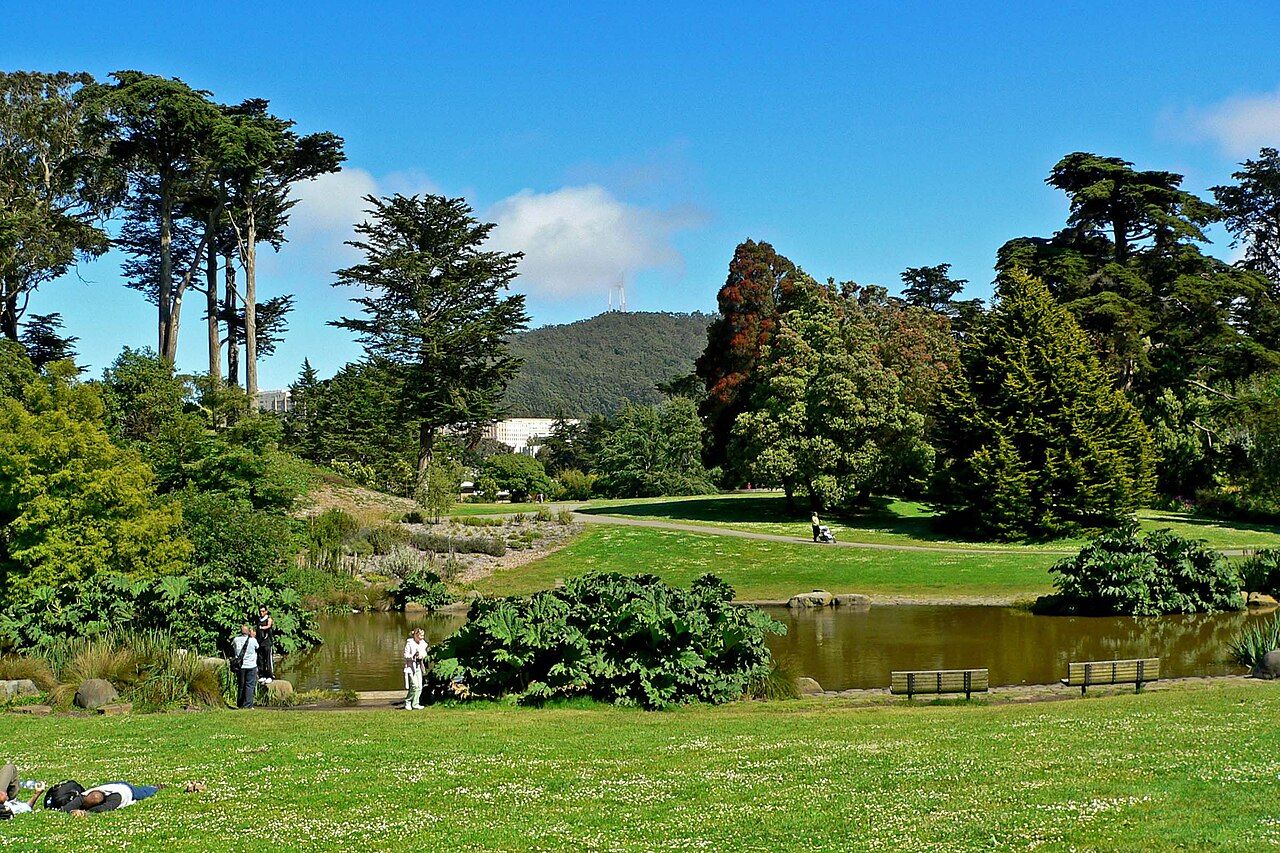
While looking for a piano, the eye begins to move toward plants. Flower Piano runs from 10 to 20 September 2026 at San Francisco Botanical Garden, placing pianos and performances across the grounds. The experience works best when music is not the only destination and the walk among succulents, redwoods, and flowering plants remains part of the plan.
Let the garden set the order
The Botanical Garden covers 55 acres and grows more than 8,000 kinds of plants from around the world. Its geographic collections include Andean and Mesoamerican cloud forests, Australia, California, Chile, the Mediterranean, New Zealand, South Africa, Southeast Asian cloud forest, and Temperate Asia. The official Garden Explorer adds plant lists, photographs, and maps.
Local reporting says this year's event has 12 pianos and more than 130 performances and programs. The instruments are distributed near succulents, redwoods, and flowering plants. Instead of completing the pianos and performers as a checklist, choose a plant collection first and gather the music encountered along that route. That preserves the reason the event belongs in a botanical garden.
Choose the plants before the music
The official schedule places Sixth Station Trio in the Garden of Fragrance on 10 September and Kennedy Realness in Zellerbach Garden on 17 September. The Garden of Fragrance and Zellerbach Garden offer different plant structures around the same idea of a piano outdoors. Venue names, as well as performers, can determine a day's route.
There is no need to claim that particular plants change the acoustics in a predictable way. Observe canopy height, leaf density, planting at ground level, and whether fragrance is present, then return attention to the keyboard. Dates and locations are verified facts; the impression produced by a landscape remains the visitor's observation.
Read the landscape around one piano
Before or after one performance, make a small circuit of the same site. Choose one nearby plant and note leaf size, overlapping branches, and height above the ground. Then step away from the piano and see how strongly its dark outline remains visible within the planting. Naming one plant feature separately from the music ties the memory of the venue to the garden.
Do not treat travel between performances as empty time. At the boundary between geographic collections, notice changes in leaf texture, tree form, and planting density. The official advice to bring comfortable shoes and allow time to explore is more than practical preparation. It turns the spaces between pianos into intervals for reading plant difference.
Do not chase all 130 programs
Across eleven days, the official schedule lists soloists, ensembles, and participatory programs. Select two or three sessions and leave time between them for plants. The event is included with Garden admission, according to the official page, but performance times and entry conditions can change, so check the latest information before setting out.
Crowding and the reach of sound cannot be predicted from published material. Keep paths clear, stay out of planted beds, and give space to performers and other listeners. Even on a day when it is difficult to remain beside a piano, the route to the next site can still become time for reading the Botanical Garden.
Connect a September garden with sound
Whether Flower Piano remains plant-centred depends less on the number of instruments than on how the grounds are walked. Use venue names to choose collections and observe one detail of leaf, branch, or ground around each piano. The instruments will leave after the event, but the 55-acre plant collection remains. For eleven days, sound can be the entrance to making that arrangement into a personal map.